
Blog
JOINT ARTHROPLASTY (Prosthesis) SURGERY
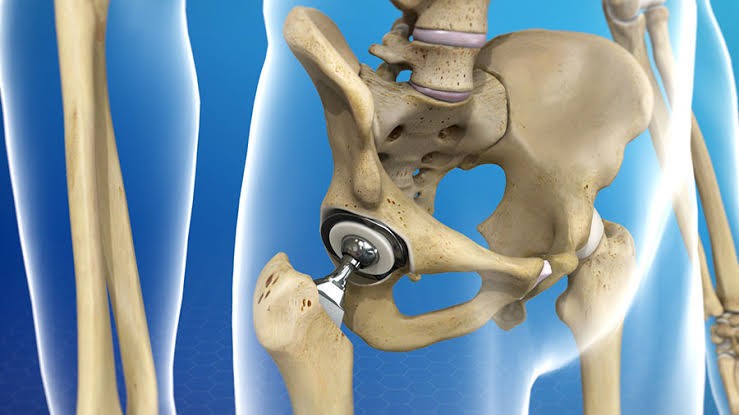
Joint arthroplasty (prosthesis) surgery is performed due to the degeneration of joint cartilage related to aging, deformity in the limbs, trauma, and rheumatic diseases. It is a surgery in which the degenerated joint cartilage is removed and permanent metal implants are placed on the joint surfaces. The main goal is to relieve pain and preserve joint range of motion. Except for special cases, these treatments are generally applied to elderly patients.
1. Knee Replacement
This is the most commonly performed prosthesis surgery. It is generally applied in older ages. In cases of trauma, deformity, rheumatic diseases, and some blood disorders, it can be performed at younger ages. Depending on the affected areas of the knee, total or partial (unicompartmental) knee replacement can be performed.
2. Hip Replacement
It is one of the most successful orthopedic surgeries. In addition to classic causes, hip developmental disorders are important reasons. Also, avascular necrosis of the hip joint (bone nutrition disorder) is a cause that appears at younger ages. It is also a treatment option for some types of hip fractures.
3. Shoulder Replacement
It is most commonly used as one of the options in the treatment of complex shoulder fractures. In addition, it is also used in the treatment of cartilage damage due to chronic, untreated, and movement-limiting muscle tears in the shoulder.
Start Your Health Journey Today
Our team is here to answer your questions, guide you through the process, and accompany you on your path to health!